
Madison County Bench Warrants Explained
Most people say "bench warrant." In the courthouse, the phrase covers court-issued process that follows a missed appearance or another ignored direction. Madison County records favor other wording. A docket may read arrest warrant, failure to appear, or the exact language of the order the judge signed. "Capias" is not the usual local label, so do not count on seeing it. One missed hearing does not bring one fixed cure. The judge might require a new appearance, a motion, proof of compliance, bond, payment, or a review. Where the case sits decides whom to call. The Madison County Clerk of the Circuit Court keeps the Circuit Court files. Anderson and Elwood City Courts handle qualifying local matters. The Madison County Sheriff may hold or serve process. Recall and release, though, are rulings only the issuing court can make.
Start Madison County Bench Searches
Start with the cause or citation number. Nothing beats it. That number ties a person to the court division, the chronological case summary, hearing events, orders, bond entries, and disposition in a Madison County case. Search Indiana MyCase one identifier at a time. The official options cover case, citation, and cross-reference numbers. A party search runs on a last name, then narrows with a first or middle name and a date of birth when available.
- Search MyCase for your own cause or citation number and select Madison County when possible.
- Read the public hearing and order entries for the court division and missed event.
- Contact the Madison County Clerk at 765-641-9443 for a Circuit Court record.
- For a city case, contact Anderson City Court at 765-648-6078 or Elwood City Court at 765-552-2655.
- Use Sheriff Records at 765-646-9290 for agency-held material or to follow its written records-request route.
MyCase is not the official warrant-status record. It may omit older, sealed, juvenile, expunged, confidential, and restricted material, so a blank result on a Madison County case belongs with the Clerk or the issuing court.
How Madison County Bench Warrants Are Issued
A judge issues this process after something goes wrong in an existing matter, such as a required appearance nobody made. Indiana Code Title 35 holds the failure-to-appear arrest-warrant authority. The docket and the order still control the exact process in a single Madison County case. Once signed, the information can reach law enforcement for service. It stays open. Service, an appearance, recall, a quash, or other court action closes it. Madison County posts no separate public bench-warrant table. The Sheriff's active-warrant page is the county starting point, and it warns of a 23-hour update delay. That silence proves nothing, though. A bench warrant can exist even when the Sheriff page or MyCase shows none.
Note: Court process can change before an online list refreshes, so verify both a result and a blank search.
Madison County Bench Warrant Codes
Cause numbers tell you where a case sits. Madison Circuit Court identifiers run from 48C01 through 48C06. The state Odyssey reference also lists local-court codes such as 48H02 and 48H03. One format example is 48C01-2301-L6-0123, not a real warrant or case. The first block points to Madison County and a court. Then come the filing year, month, case type, and sequence. The official Odyssey courts reference lists these identifiers and displays the public Madison court-code examples without exposing any private case.
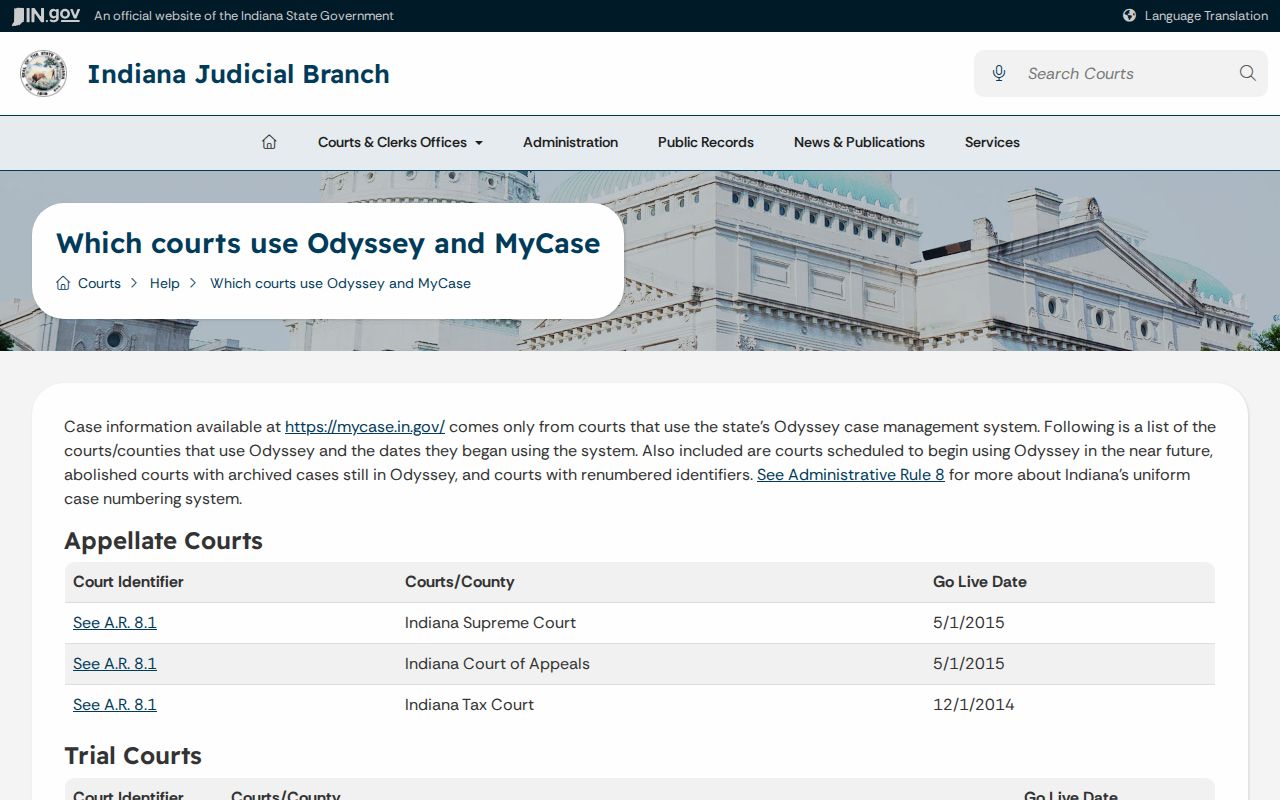
A court code helps route a call to the right Madison County office. It never proves that a warrant is active.
Bench Warrants and Arrest Warrants Compared
Both kinds can authorize an arrest. The settings differ. A bench warrant answers conduct inside an existing Madison County case, often a missed court duty, while an arrest warrant typically follows a probable-cause procedure tied to an alleged offense. The Sheriff's public list is a display only. It is not the legal instrument for either type of warrant.
| Feature | Bench Warrant | Arrest Warrant |
|---|---|---|
| Common trigger | Missed hearing or other court noncompliance | Judicial finding in an alleged criminal matter |
| Case setting | Usually an existing court file | May begin or advance criminal process |
| Key record | Docket, hearing event, and court order | Warrant, affidavit access where allowed, and case file |
| Next step | Issuing court decides appearance, recall, bond, or compliance | Court and serving agency direct surrender, bond, and hearing |
Docket terms can overlap. Ask the Madison County Clerk for the actual entry instead of choosing a remedy from a label alone.
Madison County Bench Record Limits
Indiana court records are open by default. A rule or a law can still bar access, and the public display then omits sealed, expunged, juvenile, confidential, protection-order, and other protected material. An order may show while its document stays hidden. Sheriff records and court records answer to different custodians. The Indiana Access to Public Records Act governs one set, and the Indiana Access to Court Records rules govern the other. The official MyCase access table sorts documents into public, confidential, sealed, and juvenile categories. That is the line a Madison County bench warrant search meets.
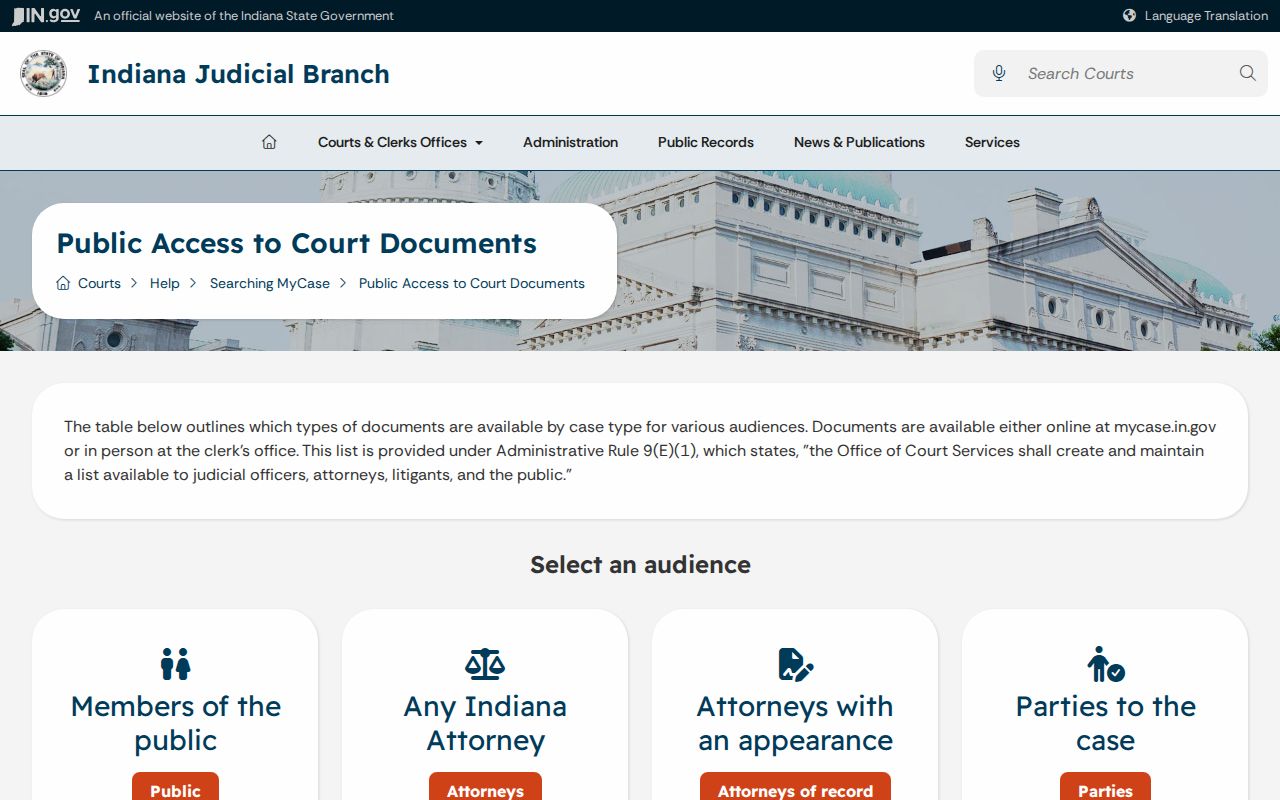
A restricted display proves nothing. It is no sign that court process is absent, and the Madison County Clerk can explain the public-record route but cannot release material barred from public access.
Resolving a Madison County Bench Warrant
Resolution starts with the issuing court and its current order. A call to the Sheriff does not recall a warrant. Payment does not always end arrest-related process either. Madison County publishes no walk-in warrant docket or surrender calendar, so confirm the required event before traveling, filing, paying, or reporting to the jail.
- Identify the court and cause number through MyCase, the Clerk, city court, or Sheriff Records.
- Ask the court whether it requires an appearance, motion, proof of compliance, payment, bond, or judicial review.
- Consult an attorney about a motion to recall, quash, or set aside process and about safe surrender if needed.
- If surrender is directed, confirm identification, booking, bond documents, and release instructions with the court and Jail.
- After the judge acts, obtain the docket entry, order, receipt, or official status confirmation.
Do not ignore it: Confirm the court's order and seek legal advice before an appearance or surrender, since arrest and release terms can vary.
A Madison County warrant list may lag by 23 hours before showing a court action. Keep the official paperwork instead of waiting on a web row to vanish.
Madison County Bench Warrant Bond Review
The Madison County advisory bail and bond schedule is not a warrant calculator. Judges keep their say. It carves out exceptions that need a judicial officer, and an active warrant or hold subject to extradition by another jurisdiction is one of them. So are some pending cases, supervision statuses, and offense types. Book-in identification counts too. Under the schedule, a person with no ID can be held without bond until an initial hearing. The Madison County Prosecutor bond page posts the effective schedule along with its release-flow material, and that official document is what settles a current question.
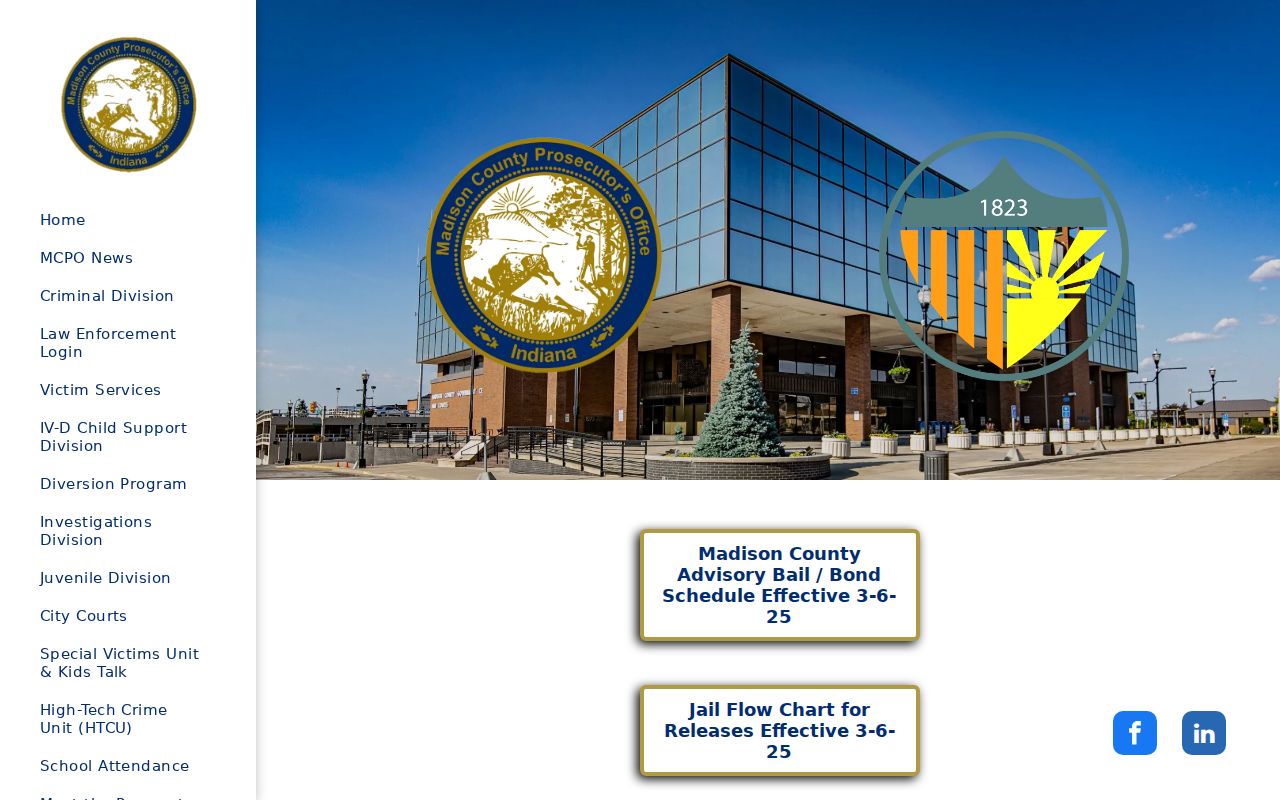
Bond can be posted at the Clerk, the Jail, or the Community Correctional Complex, depending on the bond type. Ask the court which location fits your Madison County warrant.
Madison County Civil Attachment Difference
A civil writ of body attachment is not a criminal bench warrant. Madison Local Rule LR48-TR64-23 governs civil contempt and show-cause settings. The rule demands a sworn or verified application, proof and details of service, the judgment amount due, and sometimes an address explanation. A civil warrant information sheet from the Clerk comes first. The writ is not interchangeable with a tax warrant, a traffic FTA, or an arrest warrant.
- Bench warrant
- Common term for court process following a missed event or noncompliance; verify the actual docket wording.
- Failure to appear
- Indiana's common phrase for not attending or answering a required court event.
- Body attachment
- A civil writ under the Madison local rule, with its own sworn application and service requirements.
- Recall or quash
- Court action that withdraws or ends process under the language of the judge's order.
A Madison County civil writ is a different animal from a criminal warrant. The writ expires after two years, and local rule limits any reissue. Keep it apart from a tax warrant, a traffic FTA, or an arrest warrant when you run a warrant search.
Finding the Court That Issued the Warrant
Madison County Unified Circuit Court runs six divisions, so the first job is figuring out which one holds your case. The cause number and the local allocation rules usually settle it. The Clerk sits at 16 East 9th Street, Room 213, Anderson, and Circuit Court offices occupy the third and fourth floors of the Government Center. Visit in person only after the office confirms the right division, the date, and what you need to bring. Anderson City Court, at 1034 Main Street, handles qualifying local matters. Elwood City Court sits at 1505 South B Street. Pendleton takes extra care. Current Indiana Administrative Rule 8 says the former town court was abolished at the end of 2023, yet a 2025 interlocal packet routes Pendleton ordinance violations to Elwood. Older official pages still carry Pendleton court language, so confirm with Elwood or the Clerk before you pay or appear.
Correct route: The issuing judge controls recall and hearing relief; the Clerk holds the court file, while the Sheriff serves process.
If MyCase shows no public entry, hand the court your full identifying details plus any cause, citation, hearing, or payment information you have. For the wider county picture, the Madison County warrant records overview shows how these offices fit together.